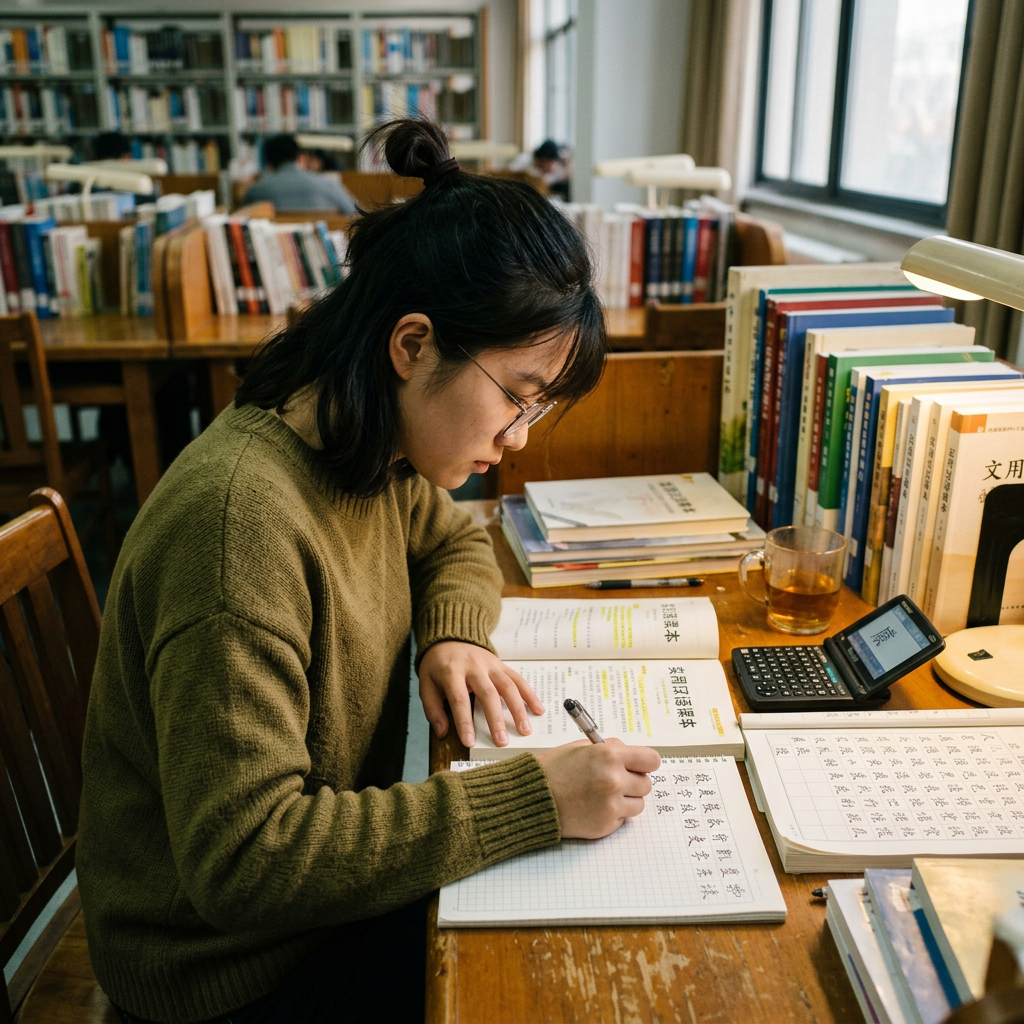
Wǒ我
xǐ huan喜欢
xué xí学习
Hàn yǔ汉语
。
I like studying Chinese.
Xīng qī yī星期一
dào到
xīng qī wǔ星期五
,
wǒ我
měi tiān每天
xià wǔ下午
dōu都
xué xí学习
sān shí fēn zhōng三十分钟
。
From Monday to Friday, I study for thirty minutes every afternoon.
Suī rán虽然
zhǐ yǒu只有
sān shí fēn zhōng三十分钟
,
dàn shì但是
wǒ我
jué de觉得
hěn yǒu yì si很有意思
。
Although it’s only thirty minutes, I find it very interesting.
Xià gè下个
xīng qī星期
,
wǒ xiǎng我想
hé和
Zhōng guó中国
péng you朋友
yì qǐ一起
shuō huà说话
。
Next week, I want to talk with my Chinese friends.
Usage of 每……都
Meaning:
- “Every” / “Each.”
Context:
- In Chinese, when you use 每 (měi), you almost always need to include 都 (dōu) before the verb to emphasize that “all” instances without exception follow the pattern. It’s a “package deal” in Chinese grammar.
Examples:
- 我每天都学习汉语。
- I study Chinese every day.
- 每个星期的课我都参加。
- I attend every week’s class.
- 这里每分钟都很重要。
- Every minute here is very important.
Usage of 虽然……但是……
Meaning:
- “Although…” / “Even though…, but…”
Context:
- This is used to show contrast. Unlike in English, where you only use either “although” or “but,” in Chinese, it is very common and grammatically natural to use both in the same sentence to clearly mark the transition.
Examples:
- 虽然只有三十分钟,但是很有意思。
- Although it’s only thirty minutes, (but) it is very interesting.
- 虽然汉语很难,但是我很喜欢。
- Even though Chinese is difficult, (but) I like it very much.
- 虽然他很有钱,但是他不快乐。
- Although he is rich, (but) he is not happy.